Loading...
Serving La Verne, CA and surrounding areas. (840) 200-1376
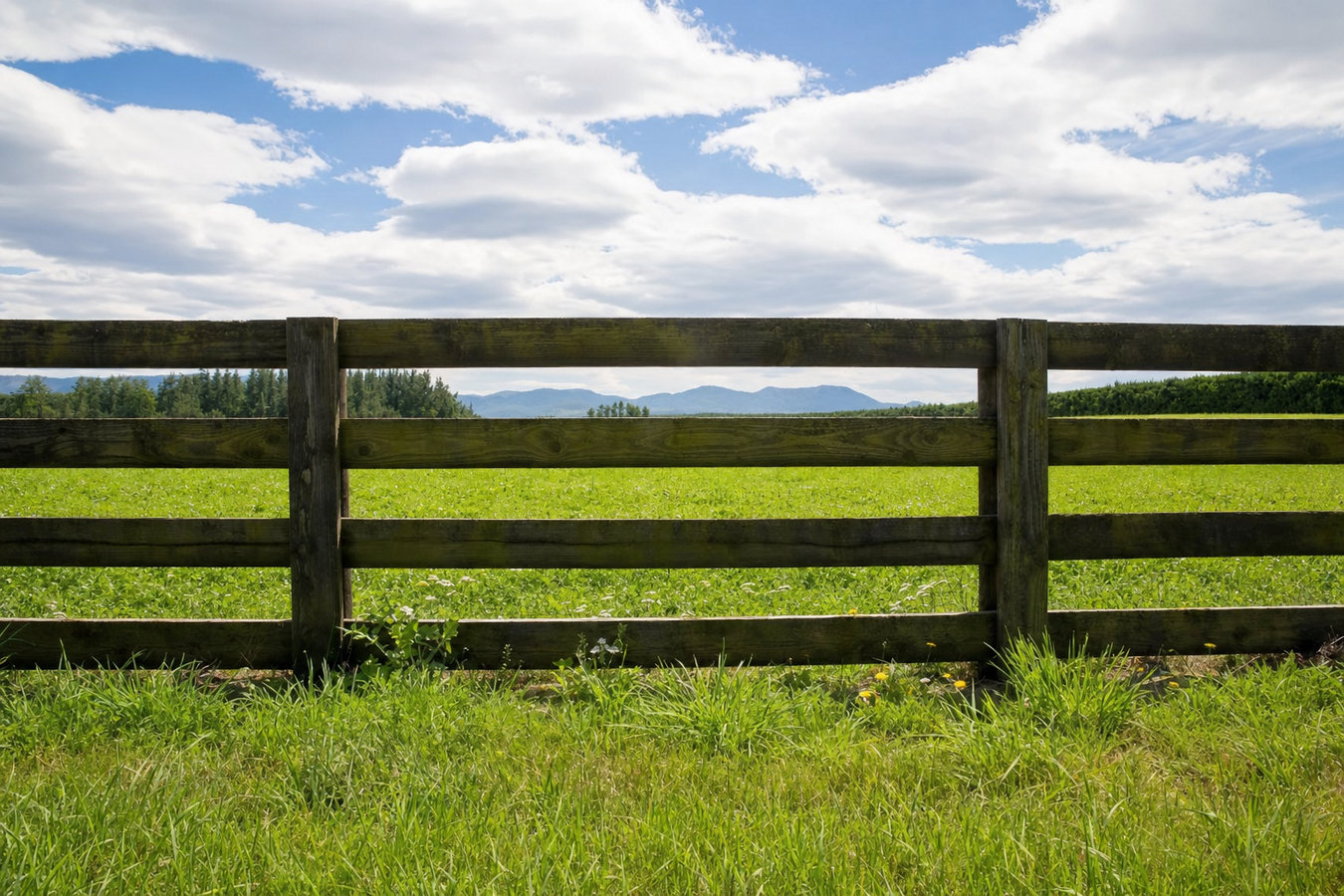
La Verne's semi-rural hillside properties and foothill terrain need fencing that handles real livestock pressure, clay-rocky soil, and seasonal Santa Ana winds - not a standard backyard fence with a different label.
Farm and ranch fencing in La Verne covers perimeter fencing and livestock containment on semi-rural residential and agricultural properties, with posts set deeper and spans wider than a standard backyard fence. Most straightforward fence runs - 500 to 1,000 linear feet on reasonably flat ground - take a crew one to three days to complete, though the permit and inspection process adds time on top of that.
La Verne has pockets of land zoned for agricultural or semi-rural use, particularly in its northern hillside areas near the San Gabriel foothills. Homeowners on these properties often keep horses, goats, chickens, or other animals - and those animals put real pressure on a fence. A fence that is rated for a residential backyard will not hold up. We also work on properties where the goal is a clear perimeter boundary rather than livestock containment, and we can pair farm fence work with a chain link fence installation for areas where a harder barrier is needed.
Call us at (840) 200-1376 or submit a request and we will respond within one business day.
If you have had a strong Santa Ana wind season and your fence is now visibly leaning, pulling away from posts, or has sections that feel loose when you push on them, the structure has been compromised. A fence that leans after one wind season will likely fail in the next. Getting it assessed before the next fall wind season is the smart move.
If livestock are pushing through sections of fence, squeezing under the bottom rail, or neighborhood dogs are getting in, your fence is no longer doing its job. Walk the full perimeter and look for sagging wire, broken boards, or spots where the bottom of the fence has lifted away from the ground. Even small gaps are enough for determined animals.
The base of a wood post - the part sitting in the ground - is the first place rot sets in. If you press your thumb into the wood near the soil line and it feels soft or spongy, or if the wood looks dark and crumbly, the post has lost its structural integrity. Replacing posts before the whole fence fails is almost always less expensive than a full replacement.
If you are planning to keep horses, goats, chickens, or other livestock on your La Verne property for the first time, your existing fence - if you have one - may not be built to handle animal pressure. A standard residential fence is not the same as a livestock fence. Have a contractor assess whether your current fencing is appropriate before you bring animals home.
We install wood rail, wire mesh, no-climb wire, and steel pipe panel fencing for residential and semi-rural properties in La Verne and throughout the San Gabriel Valley. Each material has a different strength profile and maintenance requirement. Wood rail looks natural and works well for horses and larger animals; wire mesh handles smaller livestock like goats and sheep that can slip through wider gaps; steel pipe panel is the longest-lasting option for high-pressure animal use and rough terrain. For properties that need a hard perimeter boundary in addition to livestock fencing, we can pair agricultural work with a pet and dog fencing section near the home.
Every job includes a written estimate before any work starts, permit handling with the City of La Verne where required, and a final walk-through with the crew before they leave your property. We also install gates - both personnel gates and vehicle-width drive-through gates - with hardware chosen for the frequency and weight load your specific use requires. Gate placement matters more than most homeowners realize, and we will walk you through the layout before we finalize anything.
Best for horse properties and larger animals - natural-looking, comfortable for animals that push against the fence, and well-suited to La Verne's drier climate when sealed or stained.
The right choice for smaller livestock like goats, sheep, and poultry - the tighter spacing prevents animals from pushing through or getting heads stuck in the fence.
The most durable option for high-pressure use or rough foothill terrain - panels resist animal impact and do not rot, warp, or need regular treatment.
For properties where the goal is a clear property line rather than livestock containment - wire or rail options that define the boundary and hold up to La Verne's wind and soil conditions.
La Verne sits at the base of the San Gabriel Mountains, and the soil in much of the area - particularly as you move toward the northern foothills - is a mix of decomposed granite, clay, and rocky fill. Digging post holes in this kind of ground takes more time and sometimes requires specialized equipment. Posts need to be set at the right depth to hold firm in both the wet winters that swell the clay and the dry summers that shrink it back. A general rule is that one-third of the post length should be underground - so a six-foot post needs at least two feet in the ground - but foothill terrain with rocky soil often requires more care than that rule of thumb suggests. Properties near the hillside also fall within or near fire hazard zones, and how you place and build your fence can matter relative to defensible space rules - something we flag before work begins.
The seasonal Santa Ana winds that roll through the eastern San Gabriel Valley are also a real structural consideration. Gusts in La Verne and the surrounding foothill communities can exceed 60 miles per hour during fall and winter months - and a fence that was not built with deep footings will shift or partially fail when those winds arrive. We serve homeowners throughout this corridor, including properties in Glendora and Azusa, where the same foothill conditions apply.
We respond within one business day. You tell us roughly how much fencing you need, what animals or use you are planning for, and whether you have a sense of your property's terrain. You do not need to have everything figured out before you call.
We walk your property, measure the fence line, and look at the soil and any obstacles - slopes, trees, rocky ground - that affect how the job will be done. You get a written estimate that breaks down material and labor costs. No verbal-only quotes.
If your project requires a City of La Verne permit - which is common for fences over a certain height or near the foothills - we handle the application. Permit processing typically adds one to two weeks. Once issued, we confirm your installation date.
The crew marks post locations, digs holes, sets posts in concrete footings, runs the fencing material, and hangs gates. Before they leave, we walk the fence line with you - checking posts, wire tension, and gate operation - and address anything that does not look right on the spot.
We come out to your property, walk the terrain, and give you a quote that covers the full scope before we start.
(840) 200-1376We set posts at depths suited to the mix of clay and decomposed granite soil in La Verne's northern and hillside areas. Shallow posts fail here - we have seen it repeatedly - and we do not cut corners on the step that determines whether a fence stays standing.
Santa Ana gusts put real stress on fence lines throughout the eastern San Gabriel Valley. We size our concrete footings and set corner posts specifically to handle the wind loads this area sees, not just the minimum required to pass inspection on a calm day.
La Verne's hillside properties sit near fire hazard zones, and fence placement near structures can affect defensible space compliance. We flag these concerns before the first post goes in the ground - not after you have already paid for materials.
We recommend materials based on your actual use - not just what is easiest to install. A wood rail fence properly sealed can last 15 to 20 years; steel pipe panel can last 30 years or more in Southern California's climate. The UC Cooperative Extension provides research-backed guidance on agricultural fencing materials for California conditions that informs how we approach material selection on every job.
We have served La Verne and the surrounding foothill communities since 2016. Every farm and ranch fence job we take on gets the same attention to post depth, material selection, and permit handling that we put into every other type of fence we install.
Dedicated dog-safe enclosures and yard perimeter fencing built to prevent escape and keep dogs comfortable in La Verne's outdoor climate.
Learn MoreCost-effective perimeter fencing for larger properties that need a durable boundary without the maintenance requirements of wood or rail.
Learn MorePermit processing in La Verne takes one to two weeks - reach out now so your project stays on schedule before the next wind season.